

A journey through three decades of change and what it means for your team today.
In 1996, when Team Tactics was born, work looked completely different. Today, as we celebrate 30 years, we’re taking you on a journey through the biggest shifts in how teams work – and revealing why building strong teams has never mattered more.

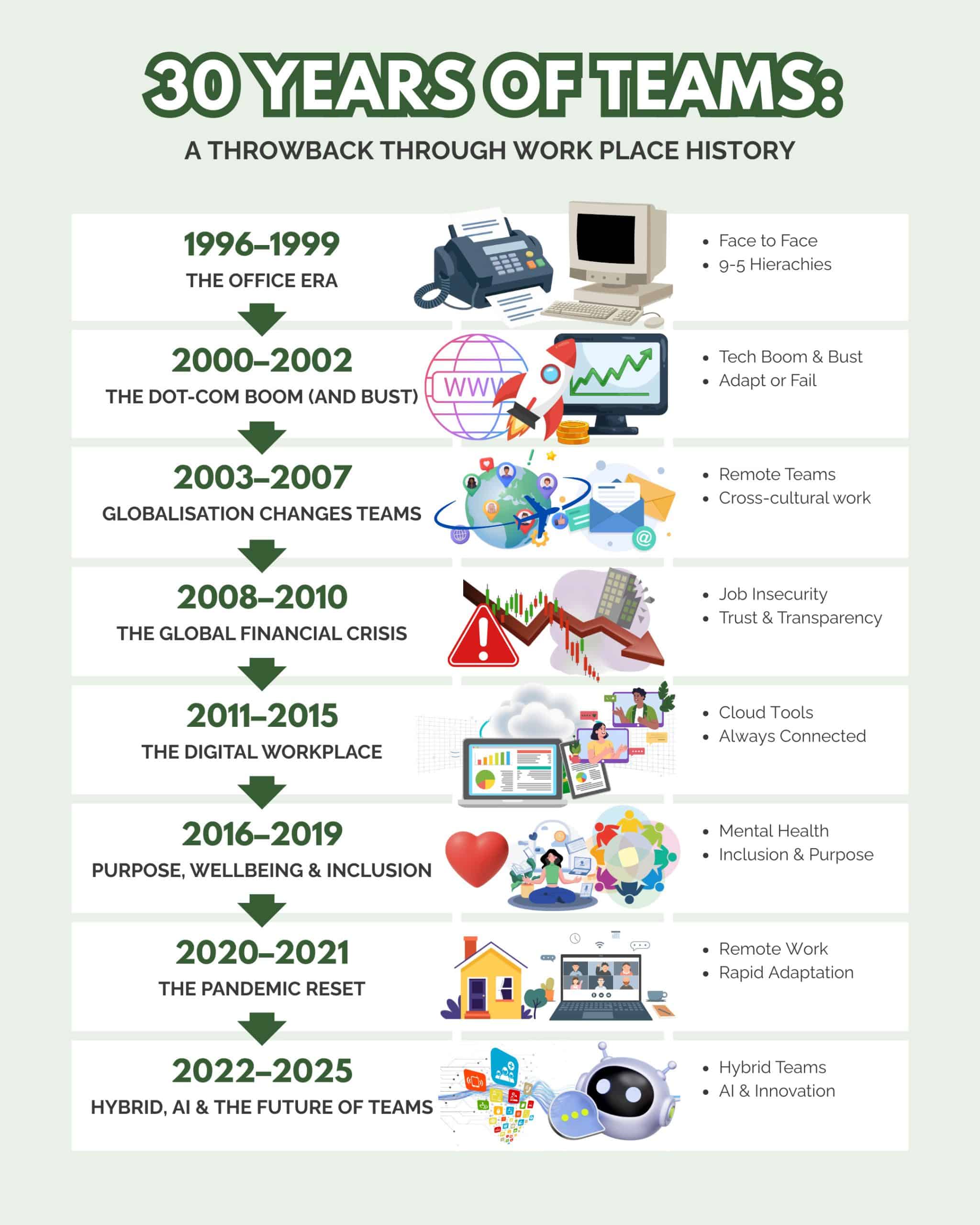
1996–1999: The Office Era
What work looked like:
- Fax machines and desk phones ruled
- Everyone worked 9-to-5, in the same building
- Leadership was strictly top-down
- “Culture” wasn’t even a business word yet
What we learned: Even when people sat metres apart, they weren’t always working together effectively. Physical proximity doesn’t automatically create teamwork.
The lesson: Great teams are built, not assumed.
Team building focus: COLLABORATION
2000–2002: The Dot-Com Boom (and Bust)
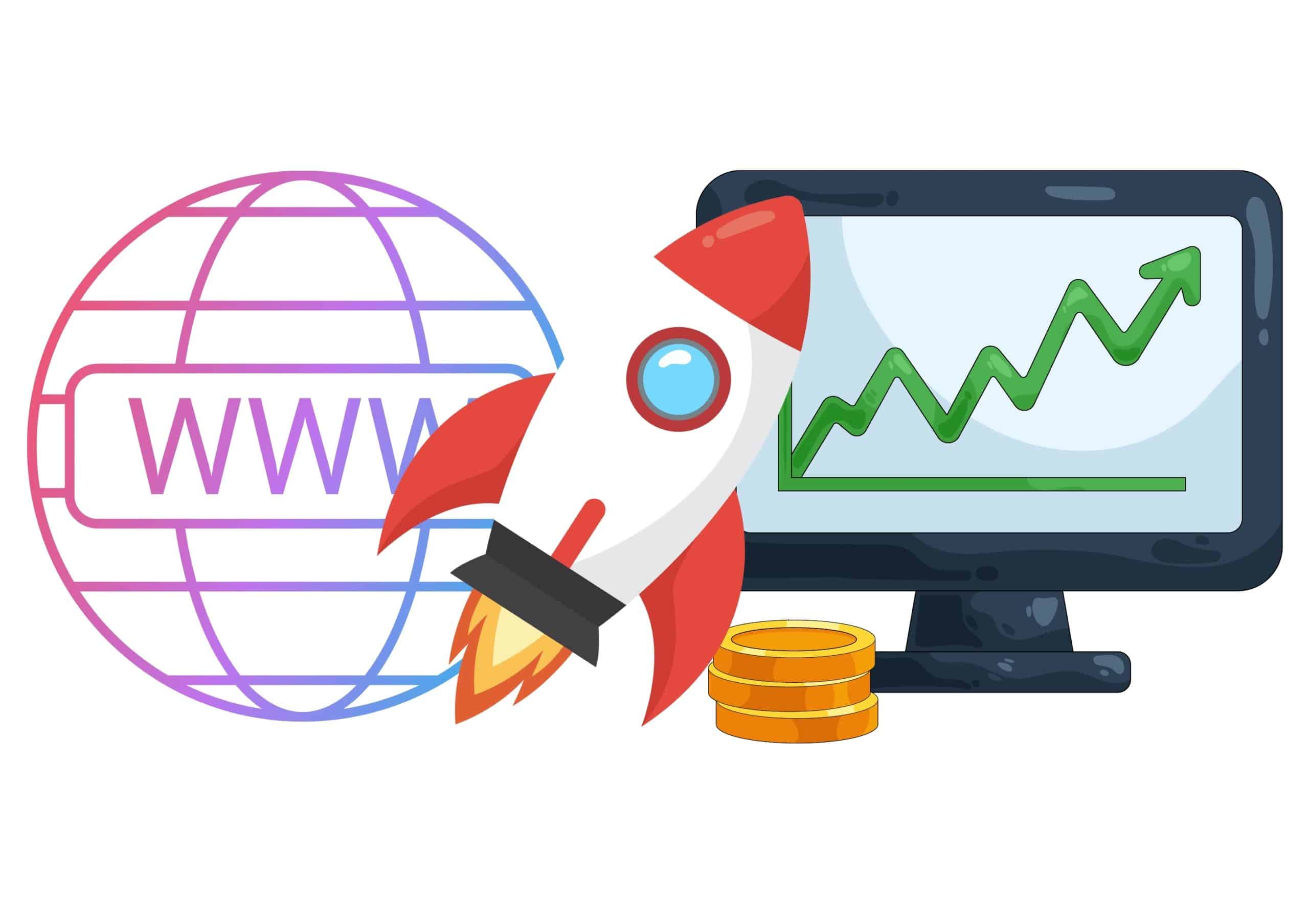
What happened: The internet promised to revolutionise everything—then the bubble burst. Suddenly, companies faced massive uncertainty.
What we discovered: When crisis hit, teams with strong trust survived. Teams without it fell apart. The difference wasn’t about having better plans—it was about having better relationships.
The lesson: Trust is your team’s foundation. Build it before you need it.
Team building focus: RESILIENCE

2003–2007: Work Goes Global
What changed:
- Distributed teams became normal
- Email became essential
- Teams started working across time zones and cultures
The challenge: You couldn’t just walk to someone’s desk anymore. Clarity became critical. Cultural differences mattered. Teams had to work harder to ensure everyone was truly heard.
What we learned: Communication skills became as important as technical skills—maybe more so.
The lesson: Distance doesn’t have to mean disconnection, but connection requires intention.
Team building focus: COMMUNICATION
2008–2010: The Financial Crisis
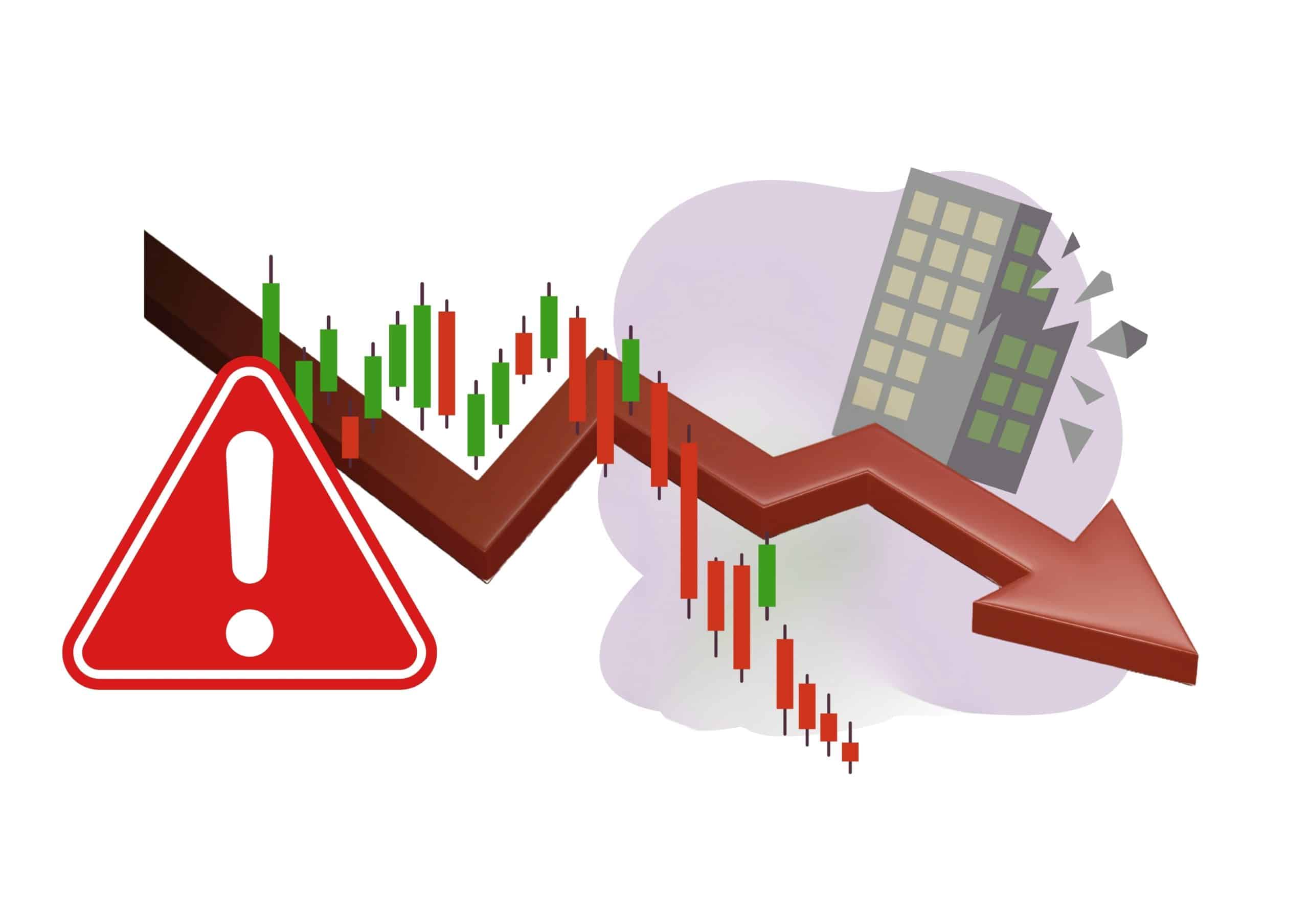
What happened: Job security vanished. Stress skyrocketed. Companies had to do more with less.
What we witnessed: Under pressure, some teams rallied together. Others fractured. The difference? Teams with strong culture used it as a stabilising force. Teams without culture had nothing to hold onto.
The data point: Organisations that had invested in people and culture during good times weathered the storm better.
The lesson: Culture isn’t a luxury – it’s infrastructure for surviving tough times.
Team building focus: TRUST
2011–2015: The Digital Revolution
What arrived:
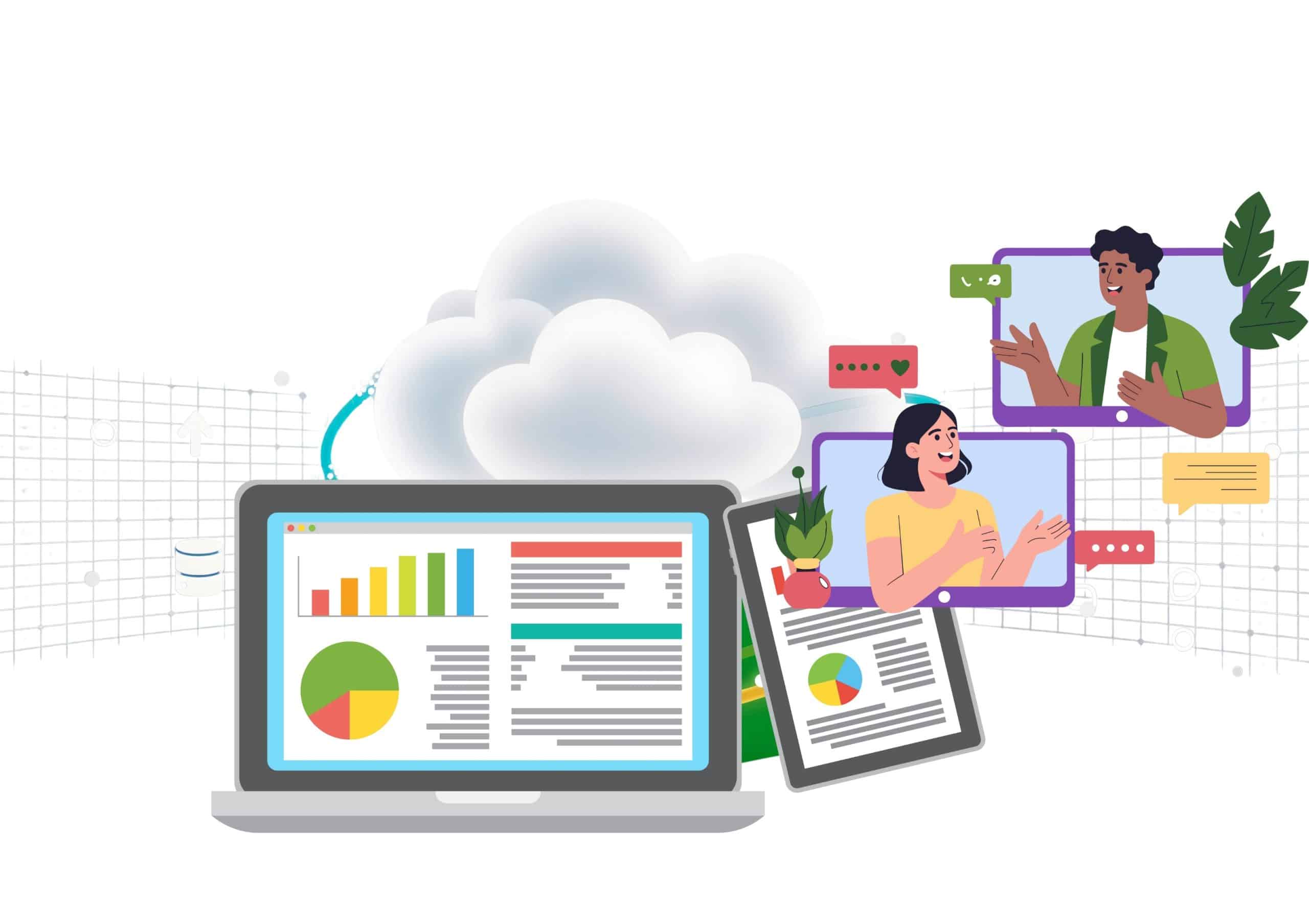
- Cloud tools
- Smartphones blurred work/life boundaries
- Instant messaging brought constant connection
The double-edged sword: Teams could collaborate faster than ever. But they were also “always on.” The spontaneous creativity of office encounters started disappearing.
What successful companies did: Pioneers like Spotify and Atlassian showed distributed work could succeed—but only with intentional design.
The lesson: Faster communication doesn’t automatically mean better collaboration.
Team building focus: CONNECTION
2016–2019: The Human Workplace
The breakthrough moment: Google’s Project Aristotle research proved it: psychological safety (feeling safe to take risks and be vulnerable) was the #1 predictor of team success. Not intelligence. Not resources. Safety.
What else changed:
- Mental health entered workplace conversations
- Diversity, equity, and inclusion became business priorities
- Purpose-driven teams outperformed those without clear purpose
Real examples:
- Netflix’s culture deck showed that culture is what you do, not what you say
- Patagonia and Salesforce proved values and performance could coexist
The lesson: Teams thrive when people feel seen, heard, and value. This isn’t “soft skills,” it’s business performance.
Team building focus: INCLUSION

2020–2021: Everything Changes
The overnight transformation: Remote work went from rare to universal. Every assumption about how work “had to be” got tested.
What got debunked: The myth that physical presence = productivity. What actually mattered was outcomes and trust, not hours and surveillance.
What Microsoft’s research revealed: Many teams stayed productive—but collaboration became siloed. Innovation suffered because spontaneous “hallway conversations” disappeared.
What resilient teams had in common: They’d already built trust, clear communication, and strong purpose. The pandemic didn’t create good teams—it exposed them.
The lesson: Teams are remarkably adaptable—but only when they have strong foundations.
Team building focus: ADAPTABILITY
2022–2026: The New Era
Where we are now:
- Hybrid work is the norm
- AI has entered the workplace
- Skills evolve faster than job descriptions
- Culture must work both online AND offline
The AI reality: Technology doesn’t solve human problems—it amplifies what’s already there. Strong teams use AI to get stronger. Weak teams find new ways to struggle.
What today’s best companies do: They design collaboration intentionally. They align their stated values with actual behaviour. They recognise that high-performing teams are built through continuous practice.
The lesson: In a world of constant change, intentional team-building is your competitive advantage.
Team building focus: INNOVATION
What 30 Years Teaches Us: The Big Takeaways
- The fundamentals never change—but how you apply them must
People need trust, clarity, psychological safety, and purpose. In 1996, we built these through face-to-face interaction. Today, we build them across screens, time zones, and hybrid environments. The need is constant; the method evolves.
- Every crisis proves the same truth
Whether it’s the dot-com crash, financial crisis, or pandemic—teams with strong foundations weather storms. Teams without them don’t. You can’t build trust when the ship is already sinking.
- Culture beats strategy, every time
The gap between what you say you value and what you actually reward is where teams succeed or fail. Actions speak louder than mission statements.
- Strong teams aren’t lucky—they’re intentional
Google proved it. Microsoft confirmed it. Three decades of our own work validates it: high-performing teams don’t happen by accident. They’re built through deliberate, continuous effort.
Why This Matters For Your Team Right Now
Here’s the truth: In today’s world of hybrid work, AI disruption, and constant change, your team’s ability to work together effectively isn’t just important—it’s everything.
Think about it:
- The best strategy fails without a team that can execute it
- The smartest people underperform without psychological safety
- The latest tools can’t fix poor communication
- Remote work exposes weak culture instantly
The organisations winning today are those that recognise:
- Teamwork doesn’t happen automatically
- Trust must be built intentionally
- Culture requires continuous investment
- Team effectiveness is a skill you develop, not a box you tick
The Bottom Line
We’ve spent 30 years watching workplace transformation. We’ve seen technologies come and go. We’ve witnessed economic booms and crashes. We’ve observed trends rise and fall.
And here’s what remains constant:
Your organisation’s success depends on humans working together effectively. No AI can replace it. No process can bypass it. No individual brilliance can substitute for it.
Strong teams are your:
- Competitive advantage in a crowded market
- Stability during uncertainty
- Innovation engine for the future
- Retention tool for top talent
- Foundation for everything else you’re trying to achieve
The question isn’t whether to invest in team building. The question is: can you afford not to?
After 30 years, we’ve never been more convinced: Great teams are built, not born. And building them is the most important work you’ll do.
Ready to invest in what actually matters?
The next 30 years of workplace evolution are already underway. The teams that thrive will be those that start building now.
What’s your biggest team challenge right now? We’d love to hear from you. Contact us