

Microsoft is one of the world’s biggest technology companies, reporting $281.7 billion in revenue and employing over 220,000 people across more than 190 countries.
The tech giant consistently ranks as one of the most attractive employers in the tech industry. In 2025, it was awarded the top spot in Forbes’ World’s Best Employer ranking, scoring highly for its career development opportunities and work-life balance, among other factors.
While Microsoft’s vast workforce is geographically dispersed and typically adopts hybrid work models, employee reviews and rankings suggest a strong sense of belonging and engagement. But what initiatives sit behind this feedback, and what can we learn from Microsoft’s approach?
Jump to:
1. A culture of giving back
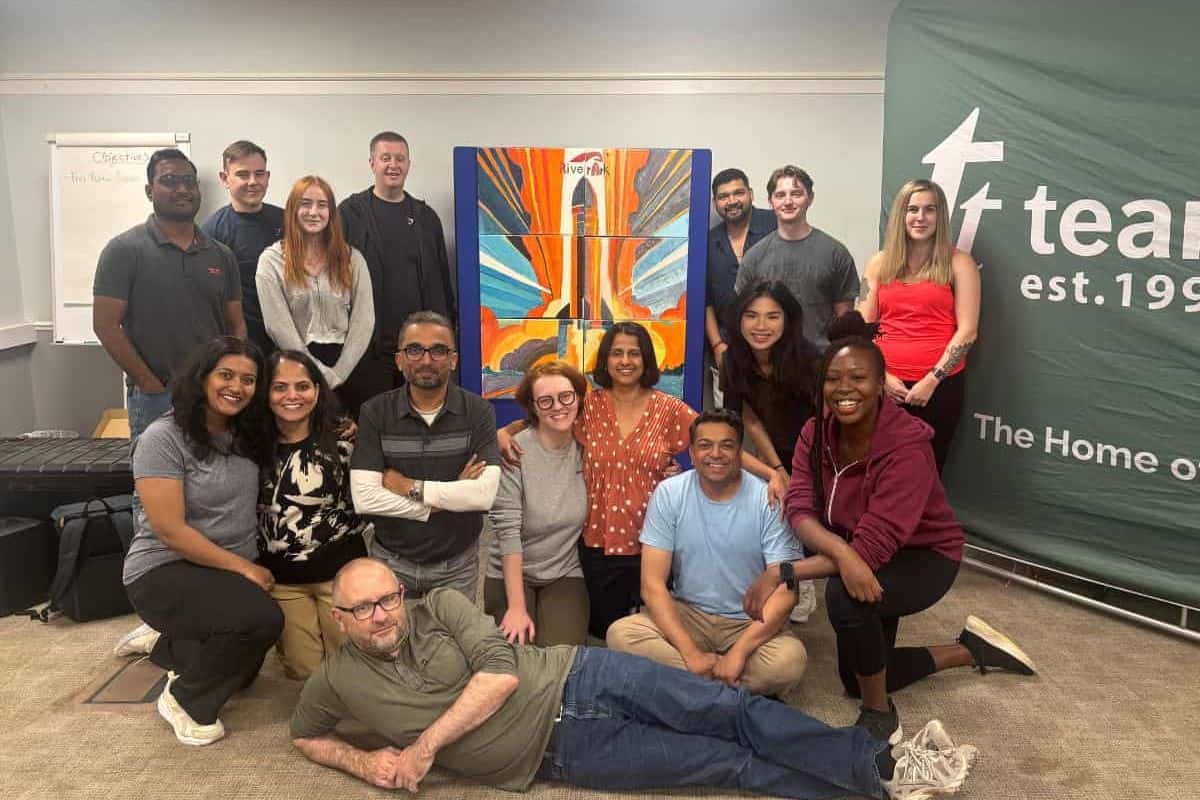
At Team Tactics, we see first-hand just how powerful CSR initiatives can be in bringing teams together and creating shared purpose.
CSR is becoming increasingly important to employees, particularly younger generations, and many want to see their employers supporting and leading initiatives to give back to their communities.
Microsoft’s mission is to ‘empower every person and every organisation on the planet to achieve more’, but beyond the slogan, its commitment is deeply ingrained in its culture through real action and initiatives. Employees are encouraged to support causes they care about by giving their time and resources, and Microsoft meets this with:
- Donation matching
- A donation for every hour an employee volunteers to support a qualifying charity
- The annual Microsoft Giving Campaign, an event which saw Microsoft employees contribute $255.6m and over 1.2m volunteer hours across 36,5000 non-profits in 110 countries in 2025
The focus on giving back also helps drive internal engagement. Jo Dinnerville, a production partner manager from the Xbox team said of her work with UK charity, SpecialEffect: “One of the biggest benefits is connection. I work closely with US-based teams, so it’s easy to feel siloed. Volunteering introduces you to people across the business you might never otherwise meet.
“It becomes more than fundraising. It’s team building, it’s shared purpose, it’s mental health support, and it’s a reminder that gaming can be a force for good.”

2. Meaningful work
Purpose isn’t just reflected in Microsoft’s CSR initiatives, it’s embedded in the work employees do every day. The company focuses on developing technologies that build trust and drive wider impact, with innovations across healthcare, sustainability and accessibility, to name a few.
Studies show employees are more engaged when they feel their work has a clear purpose. These important projects not only help employees connect their day-to-day work with wider real-world impact, but it also shows Microsoft’s ‘giving back’ ethos is deeply embedded in the business DNA.
3. Learning and development
In fast-moving industries like technology, learning and development is no longer a ‘nice to have’, it’s essential for individual and organisational success. Skills quickly become outdated, and companies that fail to invest in continuous learning risk falling behind.
Microsoft reflects this reality by placing strong emphasis on ongoing development. Employees are encouraged to stay up to date with technological advancements, expand their knowledge in a chosen field, and pursue further education and training.
The company recognises that different people learn in different ways. Development opportunities range from in-classroom learning to on-the-job coaching, allowing employees to access ‘the right learning, at the right time, in the right way’.
4. Diversity and inclusion
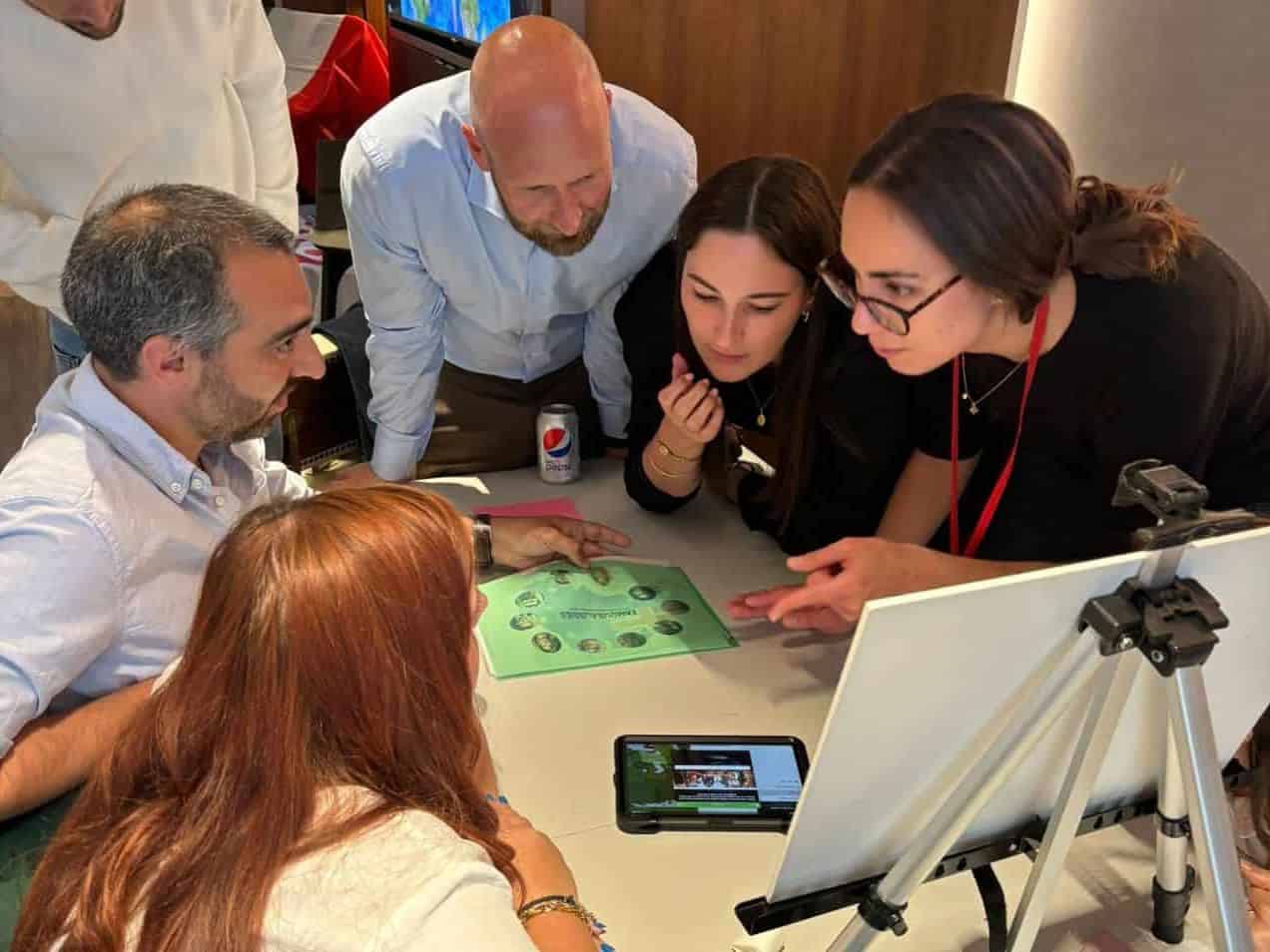
Diversity and inclusion has become a central focus for organisations looking to drive innovation. This means building teams that represent a diverse range of perspectives, backgrounds, experiences and ideas.
To achieve its mission of empowering every person and organisation, Microsoft recognises that it must create a workplace where everyone has the opportunity to contribute.
It supports this through:
- Inclusive hiring practices
- Accessibility and inclusion programmes
- Global diversity and inclusion training
- Nine dedicated employee resource groups
- Continuous improvement shaped by employee feedback
5. Flexibility and work-life integration
Many roles with Microsoft offer some level of hybrid working and flexibility, although this is not implemented on a one-size-fits all approach.
The company recognises that optimal working patterns look different for different individuals and roles, and therefore teams and leaders are given autonomy to determine the balance based on their responsibilities and collaboration needs. These expectations are defined in job descriptions and regularly reviewed among teams to ensure they’re conducive to productivity and wellbeing.
This flexibility forms an important part of Microsoft’s ‘work-life integration’ concept. The boundaries between work and life become increasingly blurred in today’s digital world, and instead of trying to separate the two spheres, Microsoft aims to help employees create schedules that feel manageable, sustainable and enriching.
Initiatives and benefits include:
- Personalised working patterns
- Generous annual leave to spend with family or pursue interests outside of work
- Parental leave for new parents
- Family caregiver leave
- Wellbeing programmes supporting mental and physical health
6. Team activities and social events
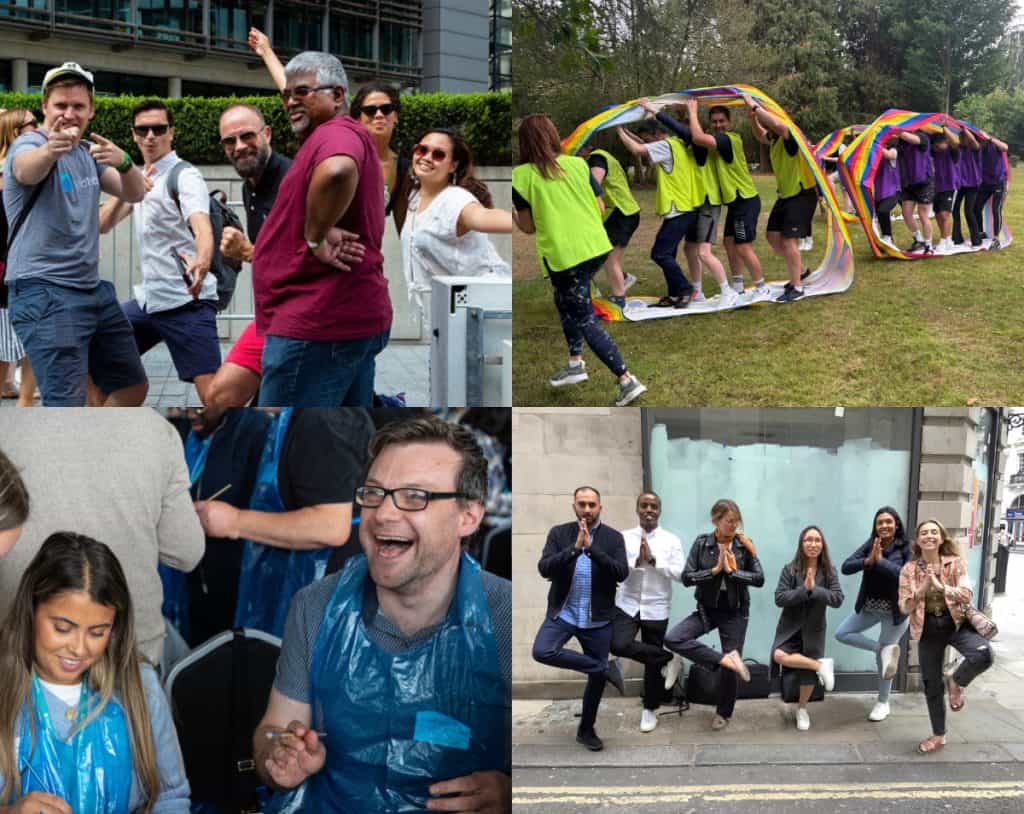
With employees working across different departments, locations and time zones, structured opportunities to bring people together help break down silos and foster a stronger sense of community.
Microsoft creates opportunities for employees to connect outside of their day-to-day responsibilities, helping strengthen relationships, boost morale, improve communication and collaboration, and create a sense of belonging within the organisation.
We find CSR activities typically amplify team building benefits. Working towards a shared goal with real-world impact creates a powerful determination, where colleagues naturally step up to support one another to achieve the desired outcome.
What does Microsoft’s company culture teach us about employee engagement?
Microsoft engages its employees by blending flexibility, purpose, wellbeing and opportunity into everyday working life. With a strong focus on work-life integration, inclusive culture and giving back, the organisation creates an environment where people feel supported both professionally and personally, and live balanced, fulfilling lives.
While most organisations won’t have the same scale or resources as Microsoft, there are learnings we can take from its approach.
Employee engagement today goes beyond renumeration and perks – it’s about the wider, more holistic experience and how a fulfilling career allows individuals to live their best life and contribute to a wider society in a way that’s meaningful to them.
Increasingly, a positive company culture is about creating an environment where employees feel supported in their wellbeing, empowered to grow, connected to their colleagues, and able to contribute to meaningful work. Even small initiatives, like CSR team building experiences, bring people together and help employees feel engaged, motivated and valued.
Ready to redefine your team building?
At Team Tactics, we provide unique team building activities and corporate events for businesses big and small, creating fun, interactive and purpose-led experiences that strengthen connection and culture.
Whether you’re looking for effective team building activities for large groups or a few new team social ideas, we can help. Get in touch today to learn more about the range of experiences we have on offer, and how we can help support your team and goals.